FEBRUARY 22, 2026
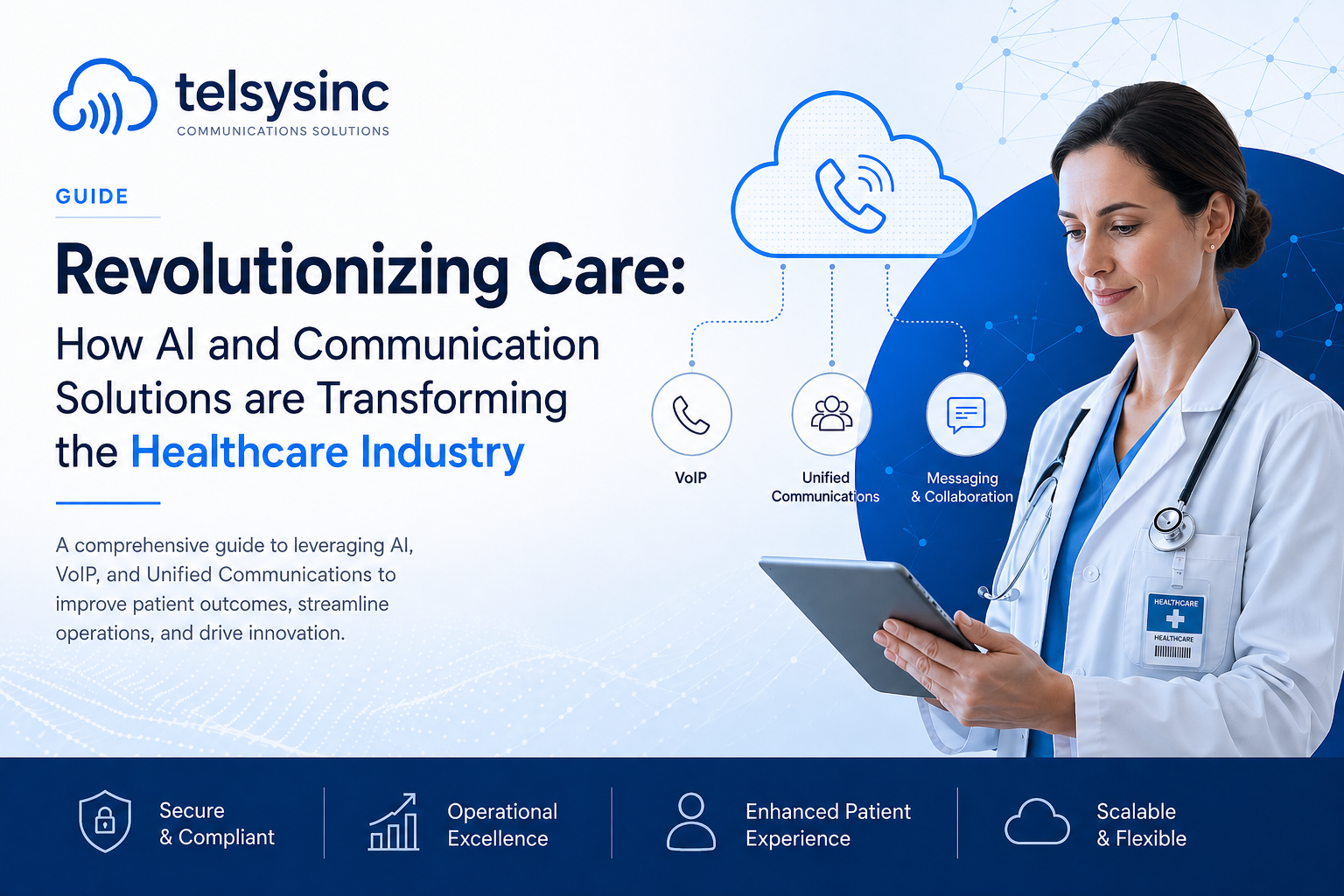
Revolutionizing Care: How AI and Communication Solutions are Transforming the Healthcare Industry
By Mark
Related Articles
No related articles found.
Stay updated with our newsletter
Need Expert Help?
The healthcare industry has always been driven by a single, critical mission: providing the best possible patient care. Yet, for decades, healthcare professionals have been bogged down by an overwhelming administrative burden. Long hold times, fragmented messaging systems, and endless hours spent charting in Electronic Health Records (EHRs) have contributed to unprecedented levels of clinician burnout and patient frustration.
As we navigate through 2026, a massive shift is underway. Artificial Intelligence (AI) and advanced communication solutions are moving out of the experimental phase and becoming the everyday fabric of clinical workflows. By automating routine tasks and streamlining data sharing, these technologies are returning the focus to where it belongs: the patient-provider relationship.
Here is a look at the top AI and communication trends reshaping the healthcare industry today.
1. Ambient AI Medical Scribes
One of the most time-consuming aspects of modern medicine is documentation. Today, ambient clinical intelligence is acting as a game-changer. Using advanced speech recognition and Natural Language Processing (NLP), ambient AI "listens" to the natural conversation between a doctor and a patient in real time.
Instead of turning away to type on a keyboard, the physician remains fully engaged with the patient. The AI seamlessly interprets the medical dialogue, extracts the relevant clinical data, and automatically drafts a structured, highly accurate clinical note directly into the EHR. This solution is saving providers hours of after-hours paperwork daily, drastically reducing cognitive load and compliance errors.
2. Conversational AI and Smart Patient Access
Patients expect the same seamless, on-demand communication in healthcare that they experience in retail or banking. AI-powered virtual medical receptionists and chatbots are now managing the "digital front door" of clinics and hospitals 24/7.
These intelligent systems go far beyond basic keyword recognition. They understand patient intent, allowing them to:
Automate Scheduling: Verify insurance, check provider availability, and book, reschedule, or cancel appointments instantly.
Conduct Pre-Visit Intake: Gather symptoms and medical history before the patient even steps into the clinic or logs into a telehealth portal.
Provide Post-Visit Follow-Up: Send personalized care reminders, medication schedules, and check-in messages to monitor recovery.
By handling the bulk of transactional communications, AI frees up human staff to handle complex, high-empathy interactions.
3. Predictive Alerts and Real-Time Care Coordination
In a fast-paced hospital environment, delayed communication can have severe consequences. Modern healthcare communication platforms are now integrating predictive AI to monitor patient vitals, lab results, and wearable tech data continuously.
When the AI detects a subtle, early sign of patient deterioration—such as a dropping oxygen level or an abnormal heart rhythm—it doesn't just log the data. It bypasses alert fatigue by intelligently routing a high-priority, contextual notification directly to the appropriate on-duty care team member's smart device. This ensures rapid intervention, bridging the gap between data collection and life-saving action.
4. Bridging the Gap with Multilingual AI
Language barriers can lead to misdiagnoses, poor treatment adherence, and a lack of health equity. AI-driven translation tools and real-time multilingual communication platforms are breaking down these walls. Smart AI interpreters and translated chatbots allow providers to securely and accurately communicate medical instructions, discharge summaries, and prescriptions in a patient’s native language in real time, fostering deeper trust and better health outcomes.
The Tangible Benefits of AI Communication in Healthcare
The integration of these intelligent systems yields measurable, transformative results for both clinics and patients:
Combating Clinician Burnout: By shifting the first draft of clinical notes and routine triage to AI, doctors and nurses can operate at the "top of their license," focusing on reasoning, empathy, and decision-making.
Boosting Operational Efficiency: Automated claims processing, smart scheduling, and reduced call volumes translate to significantly lower administrative costs and higher daily patient throughput.
Enhancing the Patient Experience: Zero wait times for scheduling, instant answers to FAQs, and highly personalized follow-ups keep patients engaged and compliant with their care plans.
Looking Ahead
The conversation around AI in healthcare is no longer about technology replacing humans; it is about technology protecting human empathy. By removing the friction of outdated communication systems and manual documentation, AI is empowering healthcare providers to deliver faster, safer, and more compassionate care.
Build your Dream Team
We're not traditional outsourcers. We build world-class teams helping you scale faster and smarter.